
Mastering Your Daily Expenses for Financial Freedom

Understanding Your Expenses: The Foundation of Financial Control

A person tracking their expenses in a notebook, highlighting the importance of awareness.

Managing your daily expenses is crucial for achieving financial stability and long-term prosperity in Uganda. It's about more than just knowing where your money goes; it's about understanding your spending habits, identifying areas for improvement, and making informed decisions that align with your financial goals. This section will guide you through the fundamental steps of understanding your expenses.

The first step is to meticulously track your spending. This can be done using a simple notebook, a spreadsheet, or a dedicated expense-tracking app. Record every shilling you spend, no matter how small. Consistency is key here – the more detailed your records, the clearer the picture of your spending habits will become. Try to record all expenses for at least one month to get a good overview.

Once you have collected your expense data, the next step is to analyze it. Look for patterns and trends in your spending. Are there certain categories where you consistently overspend? Are there any unnecessary expenses that you can eliminate? Identifying these areas will allow you to make targeted changes to your spending habits.

Categorizing Your Expenses: Gaining Clarity and Control

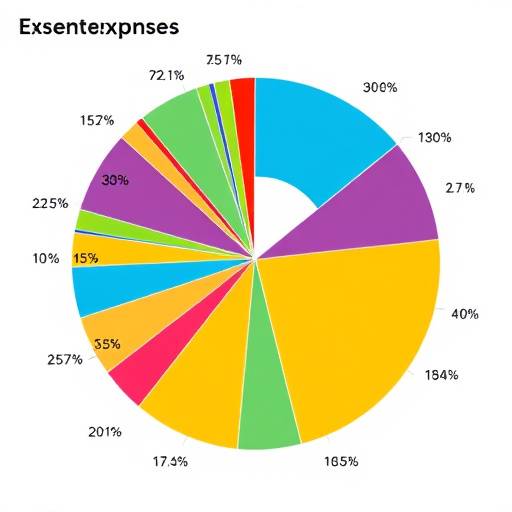
A pie chart illustrating different categories of expenses, such as housing, food, transportation, and entertainment.

Categorizing your expenses is essential for gaining a clear understanding of where your money is going. By grouping your expenses into logical categories, you can identify areas where you might be overspending and make informed decisions about where to cut back.

Here are some common expense categories:

  • Housing: Rent or mortgage payments, property taxes, insurance
  • Food: Groceries, eating out, snacks
  • Transportation: Fuel, public transport fares, car maintenance, parking fees
  • Utilities: Electricity, water, gas, internet, phone
  • Healthcare: Medical insurance, doctor's visits, medication
  • Personal Care: Clothing, toiletries, haircuts
  • Entertainment: Movies, concerts, dining out, hobbies
  • Debt Payments: Loan repayments, credit card bills
  • Savings: Contributions to savings accounts or investment funds
  • Miscellaneous: Unforeseen expenses, gifts, subscriptions

Once you have categorized your expenses, you can create a table to visualize your spending patterns. This will help you identify which categories consume the largest portion of your income.

Sample Monthly Expense Breakdown for John Okello
Category Amount (UGX) Percentage of Income
Housing 400,000 25%
Food 300,000 19%
Transportation 150,000 9%
Utilities 100,000 6%
Entertainment 100,000 6%
Savings 250,000 16%
Miscellaneous 400,000 19%
Total 1,600,000 100%

Reducing Your Expenses: Practical Strategies for Saving Money

A visual representation of cutting expenses with scissors, symbolizing cost reduction.

Reducing your expenses is a critical step towards achieving financial freedom. By identifying areas where you can cut back, you can free up more money for savings, investments, and other financial goals. Here are some practical strategies for reducing your expenses in Uganda:

  • Review your subscriptions: Cancel any subscriptions that you no longer use or need. This could include streaming services, magazine subscriptions, or gym memberships.
  • Cook at home more often: Eating out can be expensive. By cooking at home more often, you can save a significant amount of money on food. Plan your meals, shop wisely, and utilize leftovers.
  • Use public transportation or walk/cycle: Reducing your reliance on private transportation can save you money on fuel, maintenance, and parking. Consider using public transport, walking, or cycling for short trips.
  • Negotiate bills: Contact your service providers (e.g., internet, phone, cable) and negotiate for lower rates. You may be surprised at how much you can save.
  • Reduce energy consumption: Turn off lights when you leave a room, unplug electronics when they are not in use, and use energy-efficient appliances.
  • Shop around for insurance: Compare insurance quotes from different providers to ensure that you are getting the best rates.
  • Buy in bulk: For non-perishable items, buying in bulk can often save you money in the long run.
  • Avoid impulse purchases: Think carefully before making any non-essential purchases. Avoid shopping when you are feeling emotional or stressed.

Remember, small changes can add up over time. By implementing these strategies, you can significantly reduce your expenses and improve your financial situation.

Creating an Emergency Fund: Protecting Yourself from Unexpected Expenses

A piggy bank with coins overflowing, symbolizing the security of an emergency fund.

An emergency fund is a crucial component of financial security. It's a dedicated savings account that you can use to cover unexpected expenses, such as medical bills, car repairs, or job loss. Having an emergency fund can prevent you from going into debt or disrupting your long-term financial goals when unexpected events occur.

Financial advisor, Ms. Aisha Nakato, from Prosperity Path Financial Services, emphasizes that:

"An emergency fund is your financial safety net. It should cover at least 3-6 months of living expenses. Start small, save consistently, and protect your fund from being used for non-emergencies."

Here are some tips for building an emergency fund:

  • Set a goal: Determine how much money you want to save in your emergency fund. Aim for at least 3-6 months of living expenses.
  • Create a budget: Track your income and expenses to identify areas where you can save money.
  • Automate your savings: Set up automatic transfers from your checking account to your savings account each month.
  • Find extra income: Look for ways to earn extra money, such as freelancing, selling unused items, or taking on a part-time job.
  • Resist the urge to spend: Treat your emergency fund as a sacred account that should only be used for true emergencies.

Long-Term Savings: Building a Foundation for Future Prosperity

A growing tree with money as leaves, representing the growth of long-term investments.

While managing your daily expenses and building an emergency fund are important, it's equally crucial to focus on long-term savings. Long-term savings allow you to achieve your future financial goals, such as retirement, homeownership, or education for your children.

Here are some strategies for long-term savings:

  • Set financial goals: Define your long-term financial goals and estimate how much money you will need to achieve them.
  • Invest wisely: Consider investing in a diversified portfolio of stocks, bonds, and real estate. Consult with a financial advisor to determine the best investment strategy for your needs.
  • Take advantage of employer-sponsored retirement plans: If your employer offers a retirement plan, such as a 401(k), take advantage of it. Contribute enough to receive the full employer match.
  • Consider other savings options: Explore other savings options, such as fixed deposit accounts, mutual funds, and government bonds.
  • Be patient and consistent: Long-term savings require patience and consistency. Don't get discouraged by short-term market fluctuations. Stay focused on your long-term goals and continue to save regularly.

By managing your daily expenses effectively, building an emergency fund, and prioritizing long-term savings, you can pave the path to financial freedom and prosperity in Uganda.