Mastering Daily Budgeting for Financial Success in Uganda

Unlock your financial potential with practical budgeting strategies tailored for everyday life in Uganda. Take control of your money and build a brighter future with Prosperity Path.

Get Started

Introduction to Daily Budgeting

Budgeting is the cornerstone of sound financial management. It's not about restricting yourself; it's about making informed choices about how you spend your hard-earned money. For Ugandans, understanding and implementing a daily budget can be particularly beneficial, given the diverse economic landscape and varying income levels.

A daily budget helps you track where your money goes each day, ensuring that you are aligned with your financial goals. Whether you're saving for school fees, building a home in Mukono, or simply aiming for financial stability, a well-crafted budget is your roadmap to success. It allows you to identify unnecessary expenses, prioritize essential needs, and allocate funds for savings and investments.

Daily budgeting offers several advantages. First, it provides a real-time snapshot of your financial situation, helping you make immediate adjustments if you're overspending. Second, it fosters a sense of awareness and control over your finances, reducing stress and anxiety related to money matters. Finally, it empowers you to achieve your long-term financial objectives, such as buying a plot of land in Wakiso or starting a small business in Kampala.

At Prosperity Path, we believe that everyone can benefit from daily budgeting. Our goal is to provide you with the knowledge and tools you need to take charge of your finances and build a prosperous future for yourself and your family.


Woman in Kampala tracking her expenses in a notebook, representing daily budgeting in Uganda

Creating Your Daily Budget: A Step-by-Step Guide

Creating a daily budget doesn't have to be complicated. Follow these simple steps to get started:

  1. Calculate Your Daily Income: Determine your net income (after taxes and deductions) and divide it by the number of days in the month to get your daily income. If your income varies, estimate a conservative average based on your past earnings. For example, if your monthly net income is UGX 600,000, your daily income would be approximately UGX 20,000.
  2. Identify Your Essential Expenses: List all your essential daily expenses, such as transportation (boda-boda or taxi fares), meals, airtime for communication, and daily contributions to savings groups (if applicable). Be realistic and account for all recurring daily costs.
  3. Categorize Your Expenses: Group your expenses into categories such as "Transport," "Food," "Communication," and "Savings." This will help you track spending patterns and identify areas where you can cut back.
  4. Allocate Funds to Each Category: Based on your daily income and essential expenses, allocate a specific amount of money to each category. Prioritize essential needs over discretionary spending.
  5. Set Realistic Limits: It's crucial to set realistic spending limits for each category. For example, if you allocate UGX 5,000 for transport, aim to stick to that limit each day.
  6. Include a Buffer: Always include a small buffer in your budget for unexpected expenses or emergencies. This will help you avoid overspending and stay on track. A buffer of UGX 2,000 per day is advisable.

Here's an example of a simple daily budget for someone with a daily income of UGX 20,000:

Sample Daily Budget
Category Amount (UGX) Notes
Transport 5,000 Boda-boda, Taxi
Food 8,000 Lunch, Snacks
Communication (Airtime) 2,000 Mobile Data, Calls
Savings 3,000 Savings Account, SACCO
Buffer 2,000 Unexpected Expenses
Total 20,000
A Ugandan woman creating her budget using a notebook and pen, showing the step-by-step process

Tracking Your Daily Expenses: Staying on Course

Once you've created your budget, it's essential to track your daily expenses to ensure that you're sticking to your plan. Tracking helps you identify areas where you're overspending and make necessary adjustments.

Here are some effective methods for tracking your daily expenses:

Regardless of the method you choose, it's crucial to record your expenses accurately and consistently. At the end of each day, review your spending and compare it to your budget. Identify any areas where you exceeded your allocated limits and analyze the reasons behind the overspending.

Regular expense tracking helps you stay accountable and make informed decisions about your spending habits. It's a crucial step towards achieving your financial goals.

Expense Tracking Methods
Method Pros Cons
Notebook and Pen Simple, No Technology Required Manual, Time-Consuming
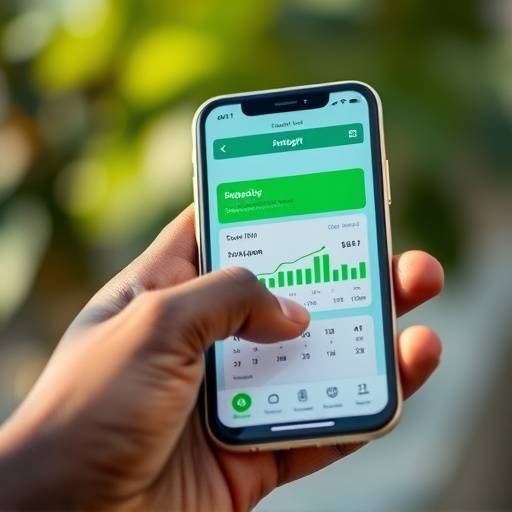
Mobile Apps Automated, Detailed Reports Requires Smartphone, Learning Curve
Spreadsheets Customizable, Good for Analysis Requires Computer Skills
Mobile Money Statements Tracks Mobile Transactions Limited to Mobile Payments Only
Close-up of a hand using a budgeting app on a smartphone in Kampala, illustrating expense tracking

Adjusting Your Budget: Adapting to Changing Circumstances

A budget is not a static document; it's a living plan that should be adjusted as your circumstances change. Life in Uganda can be unpredictable, and your budget should be flexible enough to accommodate unforeseen events and evolving financial goals.

Here are some common situations that may require you to adjust your budget:

When adjusting your budget, start by reassessing your essential expenses and identifying areas where you can cut back. Consider negotiating lower prices for goods and services, finding cheaper alternatives, or eliminating non-essential spending altogether. Prioritize your financial goals and make adjustments that align with your long-term objectives.

A woman reviewing her budget and making adjustments with a calculator, showing financial planning in Uganda

Tips and Tricks for Successful Daily Budgeting in Uganda

Here are some additional tips and tricks to help you succeed with daily budgeting:

By following these tips and tricks, you can improve your budgeting skills and achieve your financial objectives. Remember that budgeting is a journey, not a destination. Be patient, persistent, and adaptable, and you'll be well on your way to financial freedom.

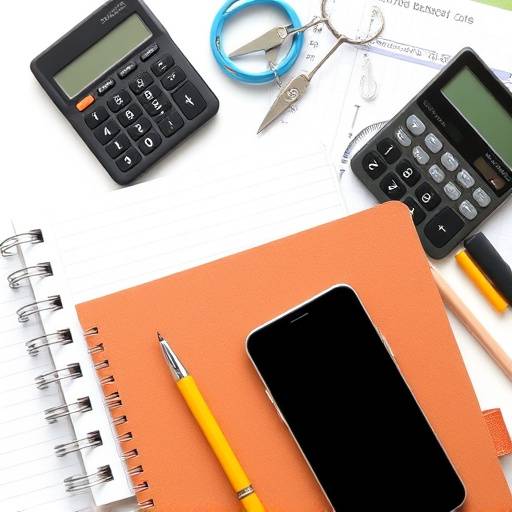
Various budgeting tools, including a notebook, a calculator, and a smartphone with a budgeting app, representing successful budgeting techniques